Blue Mistflower New · Sep 2026
Conoclinium coelestinum· Blue mistflower, Hardy ageratum, Wild ageratum
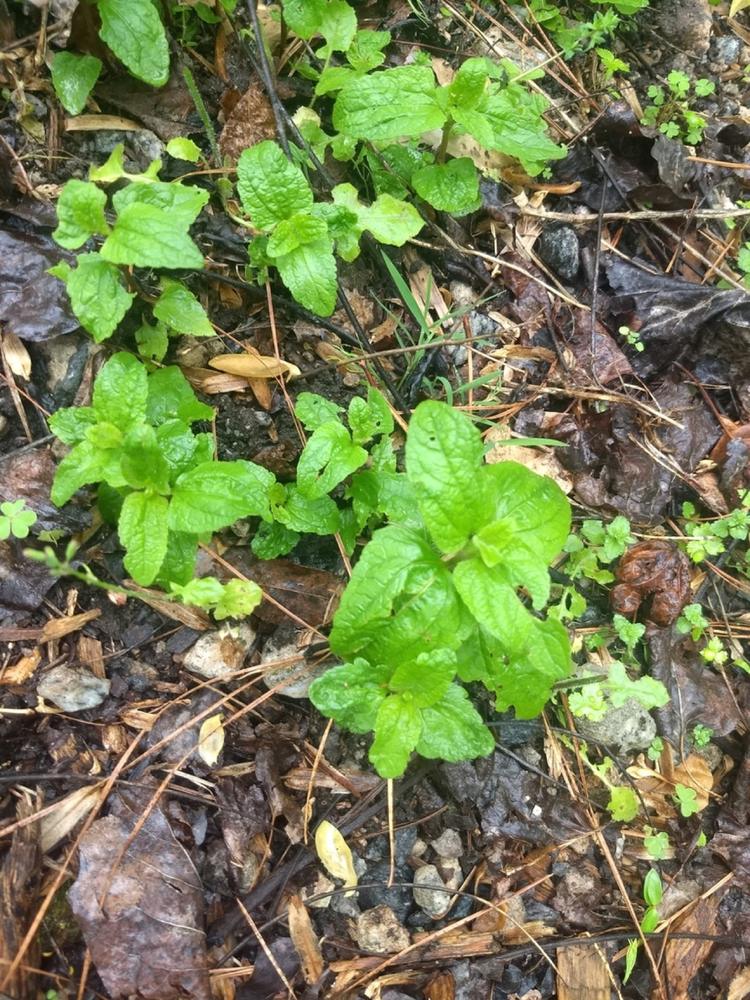 Young
YoungEarly April in East Cobb, GA: fresh spring shoots and small toothed leaves just emerging from the rhizomes through last year's litter.
Photo: cev1· CC BY-NC
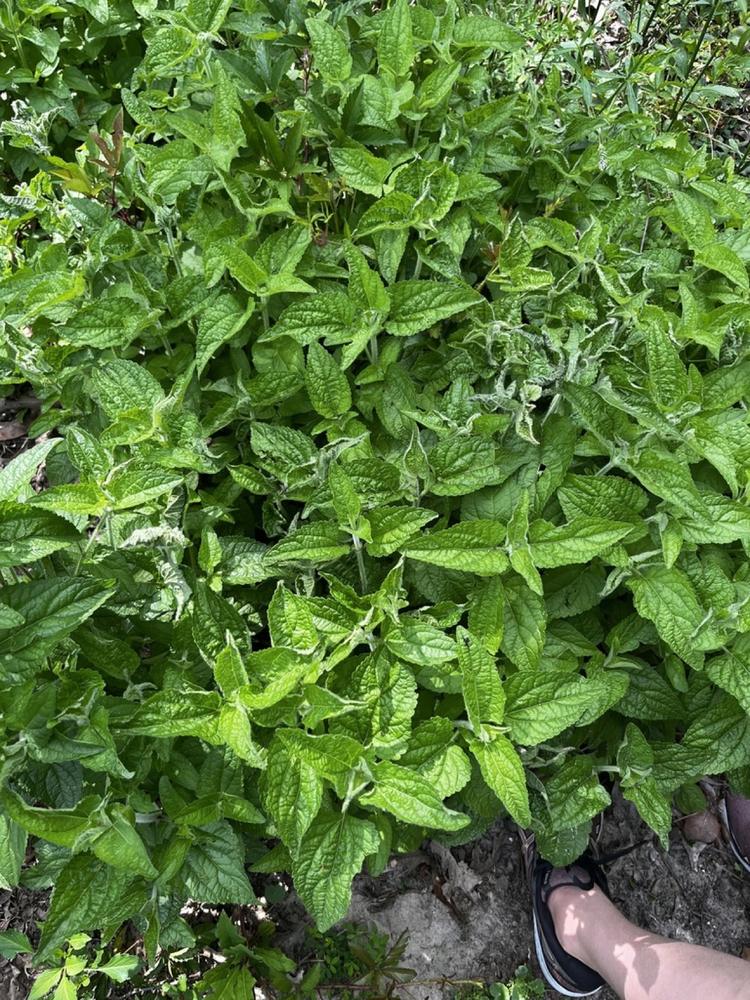 Growing
Late May: an established, knee-high patch of wrinkled, toothed foliage, months before bloom - the stage to shear it back by a third.
Photo: peaceofwildthings3· CC BY-NC
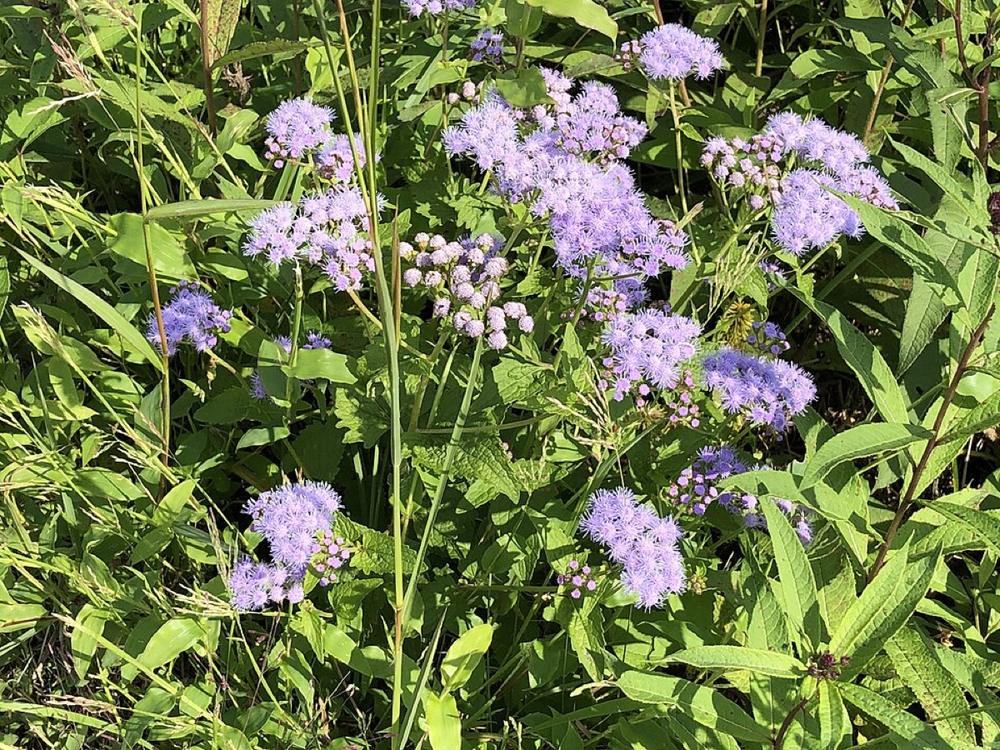 Full grown
September: a mature colony in full bloom with flat clusters of fluffy powder-blue flower heads above the foliage.
Photo: Famartin· CC BY-SA 4.0
Zone 8a: set out nursery plants in fall (September-October) or spring (March-April). Divide in early spring. Seed needs 60-90 days cold-moist stratification: sow outdoors December-January.
Growing stages
What to look for, and what to do, at each point in its lifeBlue mistflower is a native, rhizome-spreading perennial that emerges late in spring, gets cut back by a third to a half in late May-June to keep it from flopping, then covers itself in fuzzy powder-blue flower clusters from August into November - one of the best late-season butterfly plants in the garden - while needing yearly perimeter control since it spreads readily by both rhizome and wind-borne seed.
- 1
Late Spring Emergence
Late April into MayYou'll see Fresh shoots on purplish stems push up from the rhizomes noticeably later than most spring perennials.
Do Be patient and do not assume winter killed it; mark the spot if needed.
- 2
Early Growth
May into JuneYou'll see Opposite, triangular to ovate, coarsely toothed, wrinkled leaves fill in on purplish stems.
Do Water during dry spells; no fertilizer needed, since rich soil just makes it taller, floppier and more aggressive.
- 3
Early-Summer Cutback
Late May into JuneYou'll see Stems are still short and leafy, well before any flower buds have formed.
Do Cut the plant back by a third to a half, the same way you would pinch back a fall mum.
- 4
Perimeter Control
March and again in midsummerYou'll see New shoots turning up beyond the planting's original footprint, sometimes a surprising distance away.
Do Pull or dig stray shoots and runners while they are young and shallow-rooted.
- 5
Fall Bloom
August into November, peaking September-OctoberYou'll see Flat-topped clusters of fluffy, fringed, powder-blue to violet-blue flowers cover the plant, resembling annual ageratum.
Do Leave the blooms in place - this is one of the best late-season nectar sources in the garden.
- 6
Seed Heads and Fade
October into winterYou'll see Small fluffy seed heads form, similar to its ageratum relatives, and release wind-borne seed that can turn up well beyond the original patch.
Do Deadhead before seed disperses if limiting self-sowing matters in that spot, or leave seedheads standing for birds.
- 7
Winter Cutback and Division
February, or division in early springYou'll see Top growth is fully blackened and collapsed after frost.
Do Cut stems down to the ground. Divide every 2-3 years if the clump has outgrown its space.
Techniques — transplant, prune, propagate, divide, seed
At a glance
- Botanical name
- Conoclinium coelestinum
- Family
Asteraceae
- Type
Herbaceous perennial (rhizomatous, colony-forming)
- Native range
Eastern and central United States (New Jersey to Illinois and Kansas, south to Florida and Texas) plus the West Indies.
- Hardiness
Zones 5-10
- Height
1.5-3 ft
Full sun to part shade. Afternoon shade is fine in Georgia; more sun gives more compact…
Medium to moist. Happiest with steady moisture and tolerates periodic flooding;
12-18 in (it will fill the gaps within a season).
Adaptable - clay, loam or sand, average to rich, pH 5.5-7. Handles heavy Georgia clay and…
Care
- Site it where spreading is welcome (rain garden, damp edge, wild corner) or ring it with 8-10 in deep edging or a bottomless pot; it colonizes by rhizome and seed.
- Cut plants back by a third to a half in late May or June (like mums) to keep them under 2 ft and stop the late-season flop.
- Pull or dig runners at the edges each March to keep the patch in bounds; divide every 2-3 years.
Good to know
Tag name is correct. This is the 'hardy ageratum' sometimes confused with annual bedding ageratum; the fuzzy blue heads are the same look on a tough native perennial. Old catalogs list it as Eupatorium coelestinum.
Where it fits
Goldenrod, ironweed, swamp sunflower, asters, Joe-Pye weed, black-eyed Susan and muhly grass; pairs with 'Miss Huff' lantana for a fall pollinator combination;
Harvest
Not a harvest crop. Cut stems for arrangements as the first flowers open; strip lower leaves.
Watch for
Aggressive spread by rhizomes and seed - not for small formal beds. Flops in rich soil or shade. Occasional powdery mildew, aphids and leaf miners;
Wildlife & pollinators
One of the best late-season nectar plants in the Southeast: monarchs, gulf fritillaries, sulphurs, skippers, native bees (Augochloropsis and…
Toxicity
None known for humans or pets.
Propagation
Division in spring (easiest), softwood cuttings in late spring, or seed after 3 months cold stratification.
General Native / Pollinator Perennial guide
- Fall (Sept–Nov) is the best perennial planting window in Georgia: warm soil grows roots, cool air limits stress, winter rain does the watering.
- Plant at the same depth as the pot; in heavy clay set the crown 1" high and mound soil to it rather than digging a bathtub that holds water.
- Mulch 2" with pine straw or shredded bark, kept an inch off the crown.
- Water deeply 2× a week for the first month even if it rains lightly; the root ball dries faster than the bed around it.
- Leave stems and seed heads standing over winter for birds and overwintering insects; cut back late Feb–early March.
- Divide crowded clumps every 3–4 years in fall or early spring.
- Edit spreaders (rhizomes and self-sown seedlings) each spring while they're small — most natives are generous.
Sources (5)
- https://plants.ces.ncsu.edu/plants/conoclinium-coelestinum/
- https://plantfinder.mobot.org/PlantFinderDetails.aspx?taxonid=277501
- https://www.wildflower.org/plants/result.php?id_plant=COCO13
- https://en.wikipedia.org/wiki/Conoclinium_coelestinum
- https://www.prairienursery.com/mistflower-conoclinium-coelestinum.html