Blueberry
Blueberry (grow bags)
Manage acidity with Espoma Soil Acidifier + Holly-tone against alkaline Atlanta tap water.
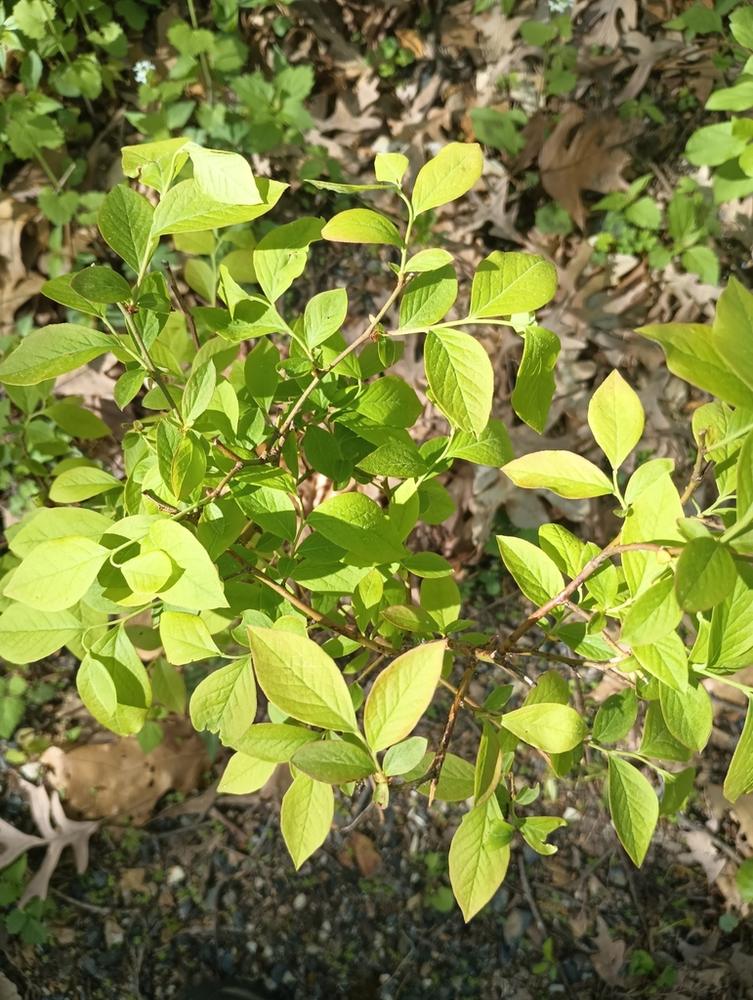 Young
YoungSmall young highbush blueberry shrub (Vaccinium corymbosum) with fresh spring leaf growth, no flowers yet
Photo: layfad· CC BY-NC
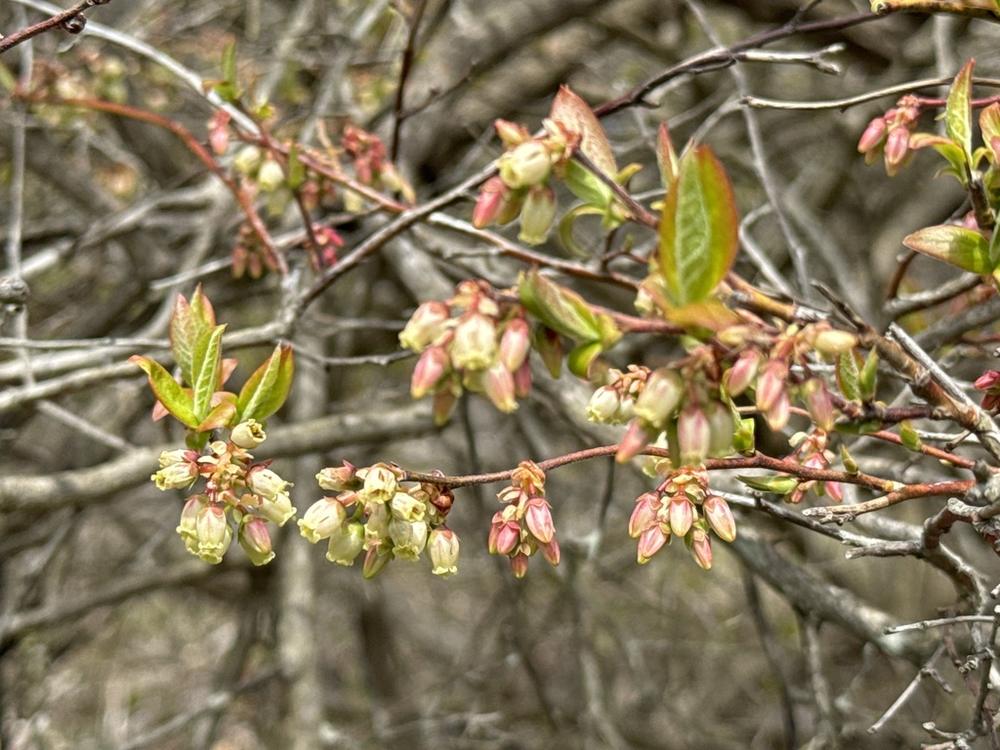 Growing
Blueberry shrub (Vaccinium corymbosum) in bloom, clusters of pinkish-white bell-shaped flowers on bare-ish spring branches
Photo: ecbos· CC BY-NC
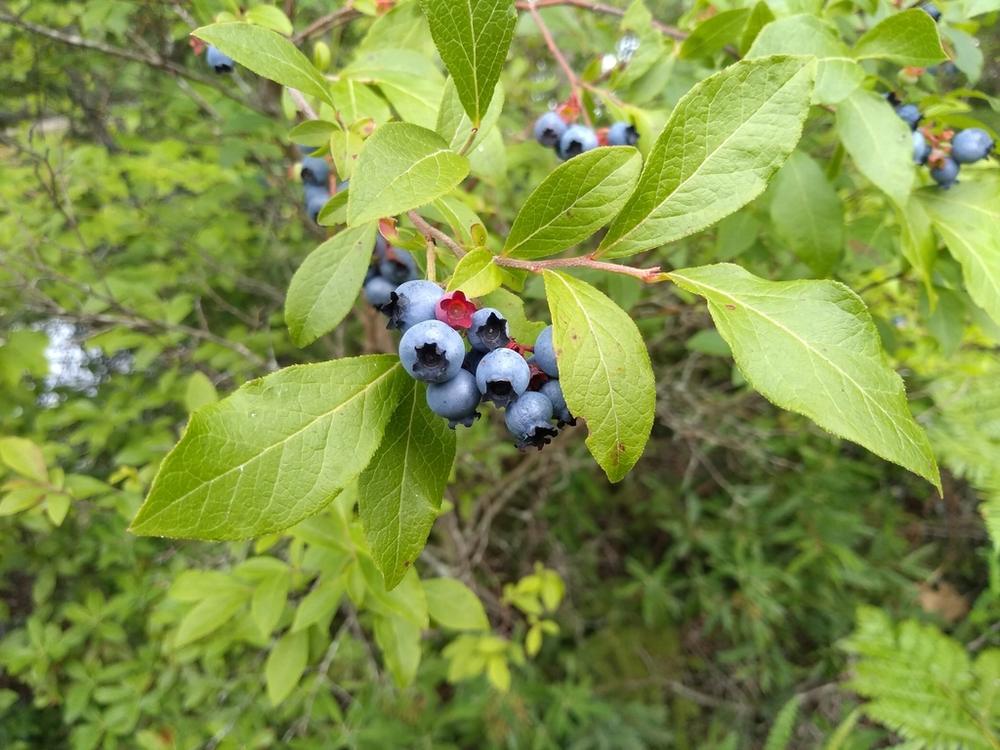 Full grown
Mature blueberry bush (Vaccinium corymbosum) with clusters of ripe blue berries among full green foliage
Photo: no rights reserved· CC0
Growing stages
What to look for, and what to do, at each point in its lifeIn Decatur's grow bags, rabbiteye and highbush blueberries spend their first year building roots (no fruit allowed), then settle into a late-winter-dormant, March-bloom, May-through-July-harvest rhythm that repeats and intensifies for 3-4 years until the bush is fully mature and producing for a decade or more.
- 1
Planting & Establishment
Year 1, planted fall or late winterYou'll see A young bush 1-2 feet tall with a handful of thin whip-like canes and small oval leaves. You may see flower buds (small, pointed, clustered near branch tips) forming by late winter.
Do Strip off every flower bud or open blossom by hand as soon as you see them, and tip-prune the top third of each cane at planting.
- 2
Winter Dormancy
Late Nov - late FebYou'll see Bare or near-bare stems (rabbiteye holds a few leaves in Decatur's mild winters). Fat, round flower buds cluster near the tips of last year's growth; thinner, pointed leaf buds sit further back on the cane.
Do Do your main structural pruning now, on a dry day above freezing.
- 3
Bud Swell & Bloom
Late Feb - late MarYou'll see Flower buds swell and split into small, bell-shaped, white to pale pink flowers hanging in clusters of 6-12 from each fruiting bud.
Do Leave blossoms alone (bees do the work); protect open blooms if a hard freeze is forecast.
- 4
Fruit Set & Green Berries
Late Mar - mid MayYou'll see Flowers drop their petals and swell into small hard green berries in tight clusters, still fully green and marble-hard.
Do Keep soil evenly moist — this is when berry size is determined — and feed with an acid-loving (azalea/camellia type) fertilizer.
- 5
Ripening & Harvest
Late May - late Jul (varies by cultivar)You'll see Berries shift from green to pink/red to a dusty blue-black over 1-2 weeks per berry, and they do not all ripen at once — a single cluster will have green, pink, and fully blue berries side by side.
Do Pick every 3-4 days, taking only fully blue berries that come off with a light roll of the thumb.
- 6
Post-Harvest Growth
Aug - OctYou'll see New cane growth extends from the tips, leaves stay full and deep green into fall, and next year's flower buds begin forming near the tips of this season's new wood.
Do Keep watering and feeding through September; stop fertilizing by early fall so new growth can harden off before winter.
- 7
Propagation by Cuttings
Dormant season, Dec - FebYou'll see Pencil-thick, healthy 1-year-old wood cut from the current dormant bush, 4-6 inches long with several visible leaf-bud nodes.
Do Take hardwood cuttings, dip the cut end in rooting hormone, and stick them in a moist peat/perlite mix under cover.
- 8
Mature, Established Bush
Year 4 onwardYou'll see A dense, multi-caned shrub 5-8 feet tall (rabbiteye can go taller) with a mix of cane ages, heavy bloom in spring, and a full crop.
Do Continue the annual dormant-season cane renewal and keep pH tested every 1-2 years.
Techniques — transplant, prune, propagate, divide, seed
Full sun
Consistent moisture; shallow roots dry fast in bags.
Grow bags / 3–4 ft apart; needs another variety nearby for best pollination.
Acid-loving fertilizer (Holly-tone) IN ADDITION TO a soil acidifier.
Care
- Manage soil acidity with Espoma Organic Soil Acidifier — ongoing pH pressure from alkaline Atlanta tap water.
- The acidifier and an acid-loving fertilizer are BOTH needed against alkaline tap.
- Mulch with pine bark/needles to help hold acidity.
Harvest
Pick fully blue and slightly soft, a few days after they color.
Watch for
Chlorosis (yellowing) from high pH — correct with acidifier; birds love ripe fruit.