Cucumbers
Pickling
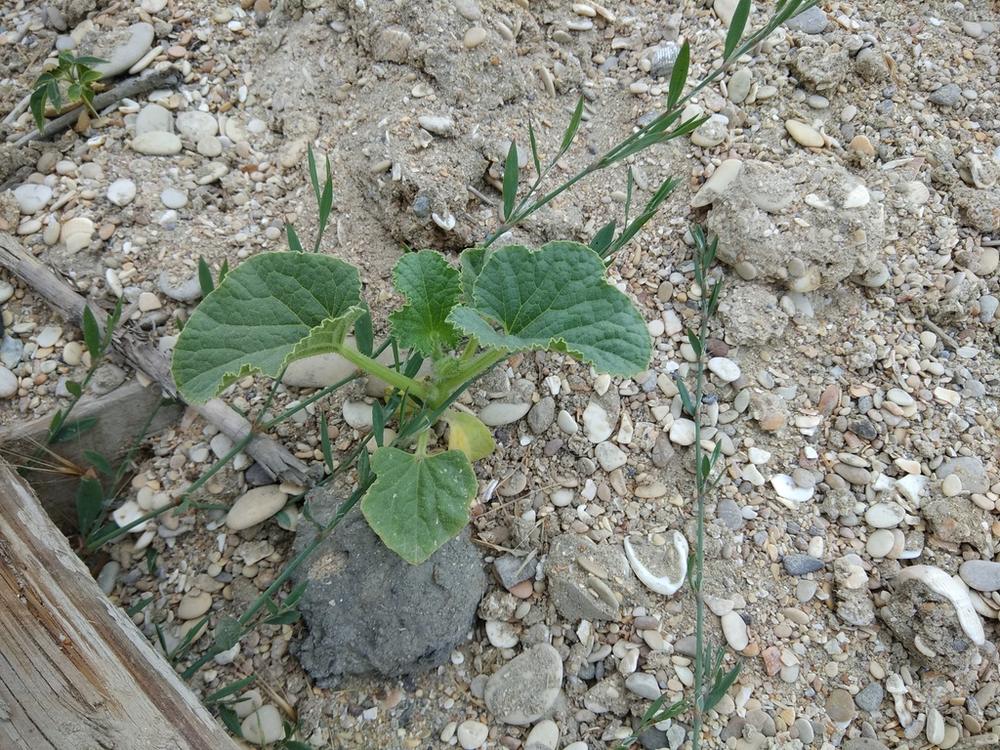 Young
YoungYoung cucumber seedling with a few true leaves, just emerged in gravelly soil
Generic Cucumis sativus seedling; not identified to a pickling cultivar.
Photo: mallaliev· CC BY-NC
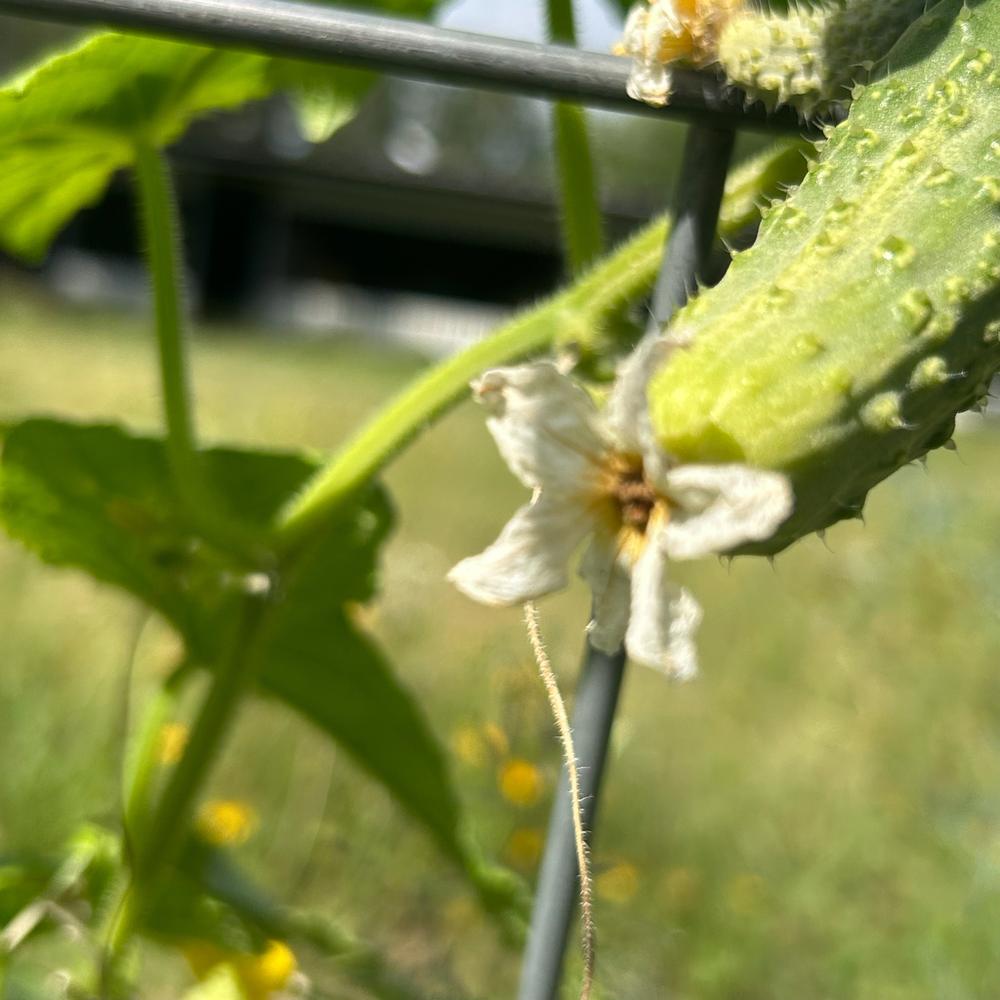 Growing
Cucumber vine climbing a trellis, in bloom with a small fruit just forming
Generic Cucumis sativus vine; not identified to a specific pickling cultivar.
Photo: dot· CC BY-NC
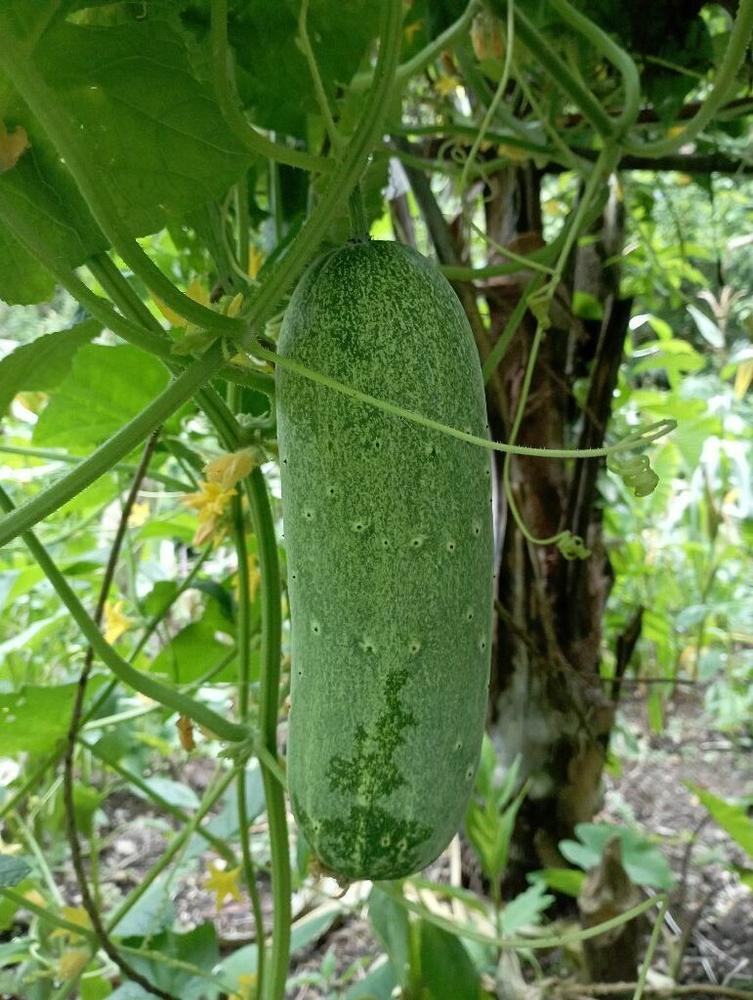 Full grown
Full-size cucumber fruit hanging on the vine, ready for harvest
Generic Cucumis sativus fruit, sized and shaped consistent with a pickling cucumber; cultivar not confirmed.
Photo: johana_shein· CC BY-NC
Growing stages
What to look for, and what to do, at each point in its lifeIn Decatur's Zone 8a, trellised pickling cucumbers are direct-sown or transplanted after the last frost in late March/April, climb fast through late spring, hit peak flower and fruit production through early-to-mid summer with harvest needed every 1-2 days, and typically wind down by mid-summer heat unless a second succession is planted for fall.
- 1
Seedling
Days 1-14 after sowing, sown directly or started indoors 2-3 weeks before transplanting after last frost (~Mar 28)You'll see Two rounded, slightly ribbed cotyledons emerge first, followed by true leaves that are larger, heart-shaped, and slightly fuzzy with visible veins. Growth is fast once warm.
Do Keep soil warm (cucumbers germinate poorly below 60F and best around 70-95F) and thin direct-sown seedlings to one strong plant per station once true leaves appear.
- 2
Transplant / direct-sow establishment
Early-to-mid April in Zone 8a, once soil and air have warmed reliablyYou'll see A ready transplant has 2-3 true leaves and a short, sturdy stem; direct-sown plants at this stage look the same after thinning.
Do Set plants (or thinned direct-sown seedlings) at the base of the trellis, spaced roughly 12 inches apart, and water in well.
- 3
Vining and trellis training
2-5 weeks after transplant, as the main vine extendsYou'll see Curling tendrils reach out from the vine looking for something to grip; the main stem elongates quickly, often several inches a day in good conditions.
Do Guide the leading vine onto the trellis as it grows and loosely tie or weave it in if tendrils haven't caught on yet.
- 4
Flowering (male then female)
Roughly 4-6 weeks after sowing; male flowers open first, often a week or more before the first femalesYou'll see Male flowers appear first, clustered, on thin stems with no swelling behind the petals. Female flowers appear later, usually singly, each with a small cucumber-shaped ovary already visible behind the petals before it even opens.
Do Don't worry when only male flowers show up early — that's normal — and start watching for the tiny swollen ovary that marks a female flower once vines are established.
- 5
Fruit set and harvest
50-65 days from sowing for most pickling types to first harvest, then continuous harvest every 1-2 days for several weeksYou'll see Fruit sizes up quickly once pollinated, often reaching pickling size within a week; skin should be firm, deep green, and consistently sized for the variety, not yellowing or overly plump.
Do Check the vines every 1-2 days and pick anything at target size, since pickling cucumbers grow fast and go from perfect to oversized within a couple of days.
- 6
Seed saving (wet-seed method)
From fruit left on the vine well past pickling size, until fully mature and often yellow or tan skinnedYou'll see A seed-saving cucumber looks nothing like a harvest-ready one: it swells much larger than a pickling cucumber, and the skin turns yellow, orange, or tan as it fully matures.
Do Let a chosen fruit ripen fully past eating stage, then scoop out the seed pulp and ferment it briefly before drying, similar to tomato seed saving.
Techniques — transplant, prune, propagate, divide, seed
Full sun
Consistent, deep water — bitterness comes from water stress.
Trellis on Bed B east/west trellis base; sow ½" deep.
Heavy feeder.
Care
- Nursery-start in the 2nd hydro unit, then transplant the best 2 to the Bed B trellis.
- Trellising keeps fruit clean and straight for pickling.
Harvest
Pick pickling cukes small and often.
Watch for
Powdery mildew — airflow; even water prevents bitterness.