Dill
Dill
Surface-sow (light-dependent). Self-sows; great for pickling and pollinators.
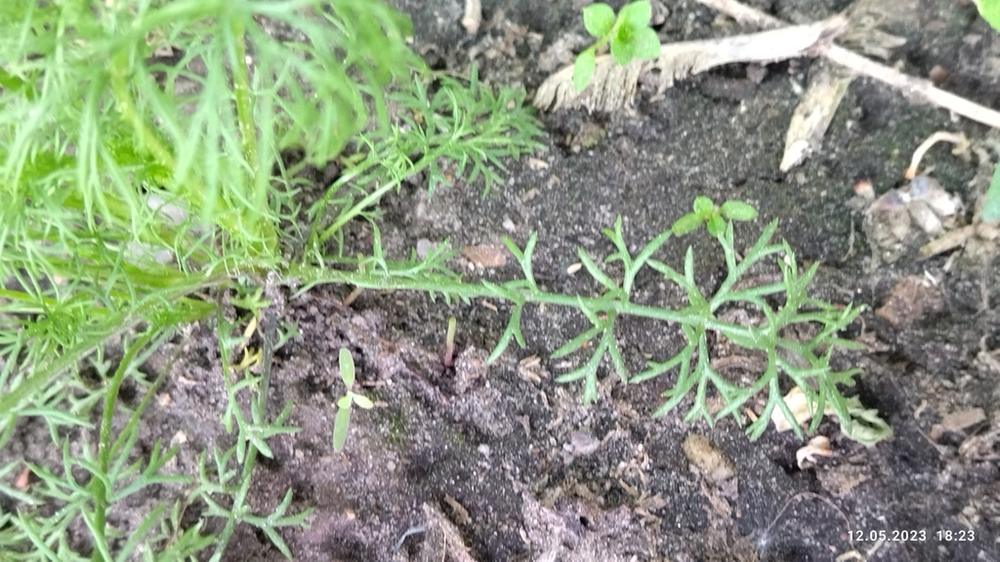 Young
YoungSmall dill seedling with feathery thread-like leaves just emerging from soil, no flower stalk yet.
Photo: Екатерина Гущина· CC BY
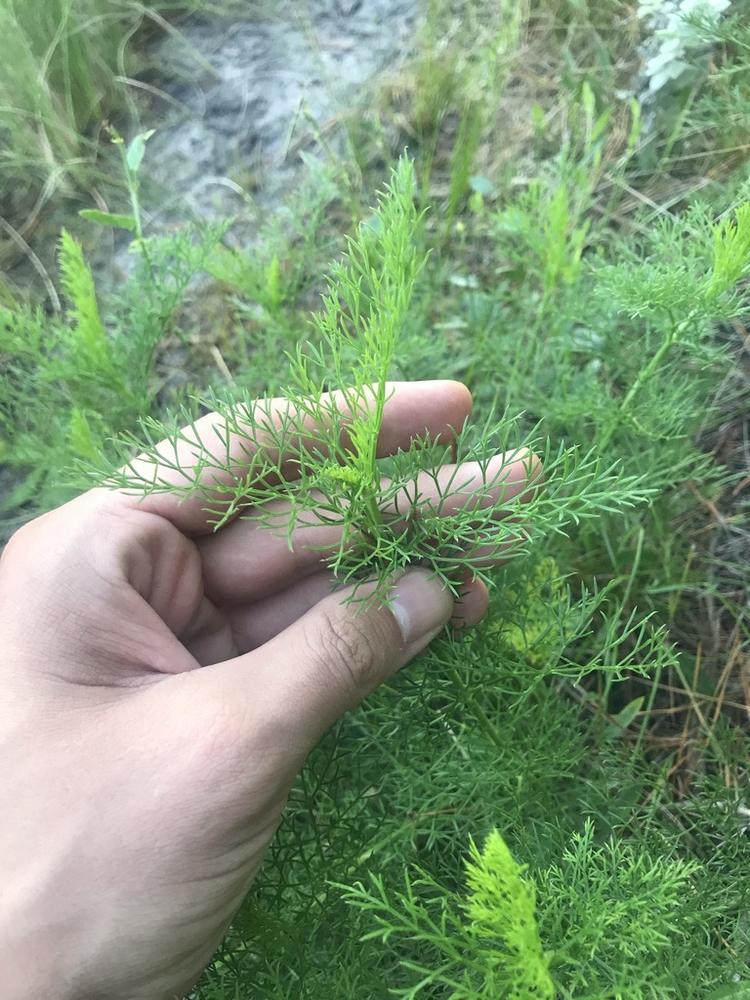 Growing
Established dill clump with full feathery/threadlike foliage, pre-bolt (no flower umbels yet).
Photo: Ren Hoekstra· CC BY
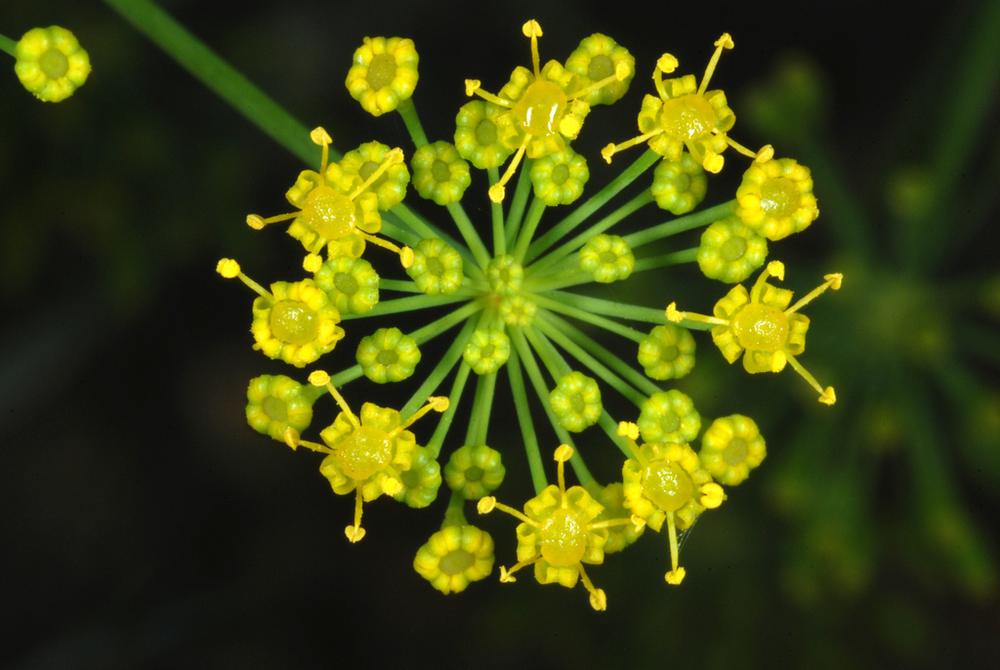 Full grown
Close-up of a mature dill flower umbel (yellow compound umbel in full bloom).
Photo: Douglas Goldman· CC BY-SA
Growing stages
What to look for, and what to do, at each point in its lifeDill is grown in Decatur for fast, feathery leaf harvests in the cool parts of spring and fall, races to bolt into tall yellow flower umbels once summer heat arrives, and self-sows readily so a bed often keeps reseeding itself year to year, doubling as a valuable pickling-spice and pollinator plant once it flowers.
- 1
Sowing
Direct sow March-April and again August-September; dill seed needs light to germinateYou'll see Thin, feathery, grass-like first true leaves emerge within 1-2 weeks of sowing.
Do Surface-sow or barely cover the seed (1/8 inch at most), since dill seed is light-dependent and germinates poorly if buried deep; keep the seedbed moist until it sprouts.
- 2
Leaf Growth (main harvest window)
4-8 weeks after sowing, spring (April-May) and fall (September-November)You'll see Feathery, blue-green fronds fill out on an upright, hollow stem, staying soft and aromatic before any flower stalk appears.
Do Harvest outer fronds or whole young stems regularly to encourage more leaf production, and sow a new round every 2-3 weeks to keep fresh leaf coming.
- 3
Bolting
Typically June-July once daytime highs run consistently warmYou'll see The central stem shoots up and thickens, leaves get sparser and more finely divided than the earlier lush growth, and a flat-topped cluster of small flower buds (an umbel) forms at the top.
Do Don't treat it as a failure; either pull and replace with a fresh succession sowing for leaf, or leave the plant to flower and go to seed on purpose.
- 4
Flowering
2-3 weeks after bolting beginsYou'll see Large, flat, yellow umbels up to 6 inches across open at the top of each stem, drawing heavy bee and beneficial-insect traffic.
Do Let flowers stay on the plant if you want dill seed or want to support pollinators; cut and remove if you're done with that planting and need the bed space.
- 5
Seed Harvest
4-6 weeks after flowering: roughly July-August from a spring sowing, or October-November from a fall sowingYou'll see Seed heads turn from green to tan or light brown and feel dry and papery, with flat oval dill seeds visible and rattling loosely in the umbel when ripe.
Do Cut whole seed heads once mostly brown and dry, and finish drying them indoors in a paper bag before threshing and storing.
Techniques — transplant, prune, propagate, divide, seed
Full sun to part shade
Consistent, even moisture.
Sow shallow — parsley ⅛–¼", dill surface-sown (light-dependent).
Light, steady feeding.
Care
- Parsley is a biennial — harvest the first year; it bolts the second.
- Dill self-sows readily; let some flower for pollinators/swallowtails.
- Succession-sow for a steady supply.
Harvest
Snip outer stems; harvest often to delay bolting.
Watch for
Bolting in heat; swallowtail caterpillars on dill/parsley (usually leave them).