Lavender
Lavender
Gardyn tower outer column. Lean, dry, well-drained.
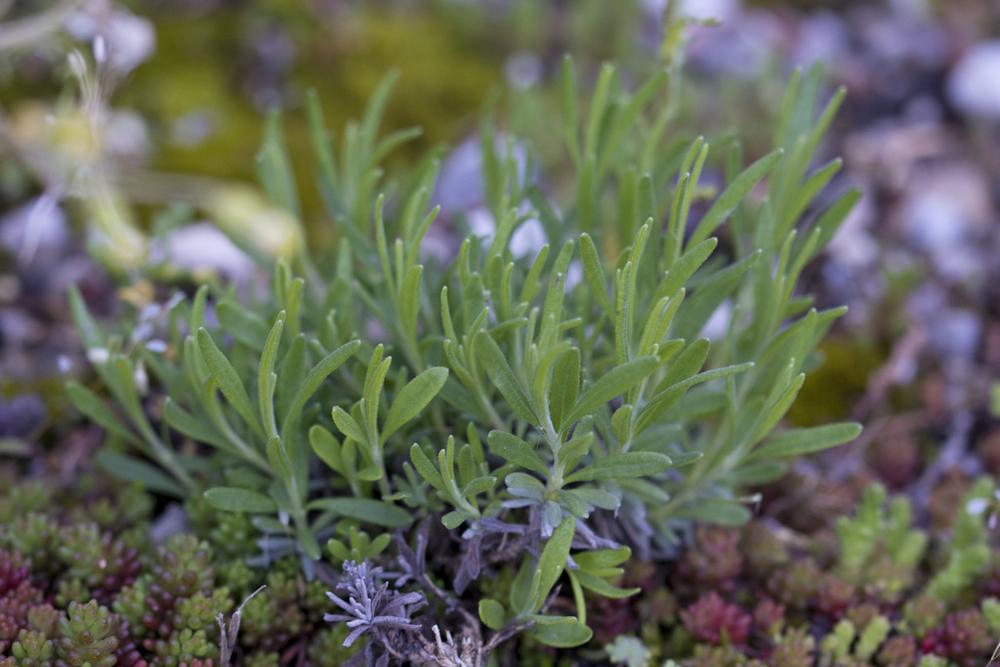 Young
YoungSmall, compact young Lavandula angustifolia plant with fresh green-grey foliage, not yet mounded or flowering
Photo: Martin A. Prinz· CC BY-NC
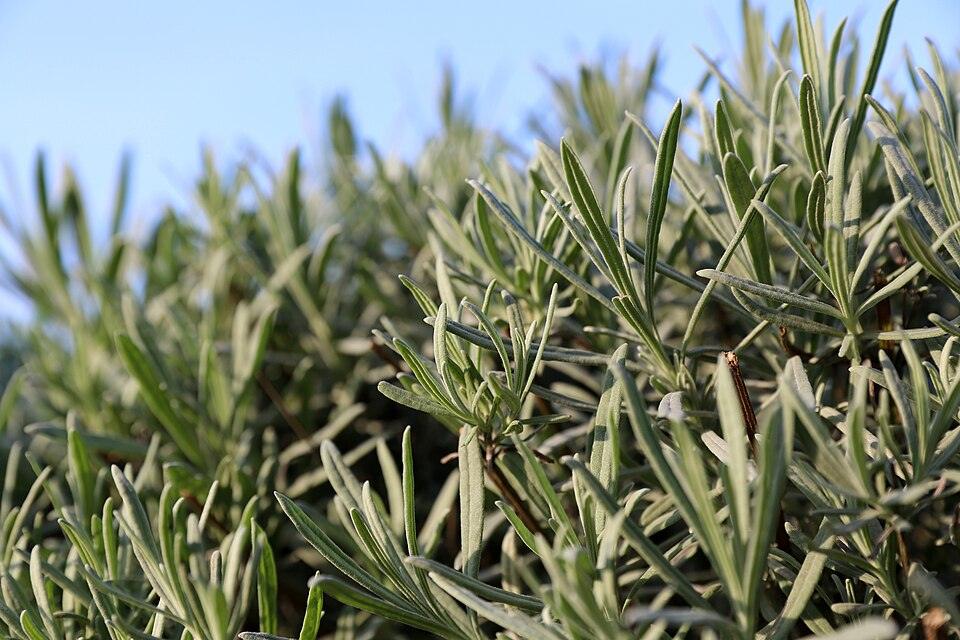 Growing
Established grey-green lavender mound ('Mailette' cultivar) with dense needle-like foliage, pre-bloom
Shows the 'Mailette' cultivar of Lavandula angustifolia; foliage habit is representative of English lavender generally, not a specific match to any cultivar Luke is growing.
Photo: Manfred Werner - Tsui· CC BY-SA 3.0
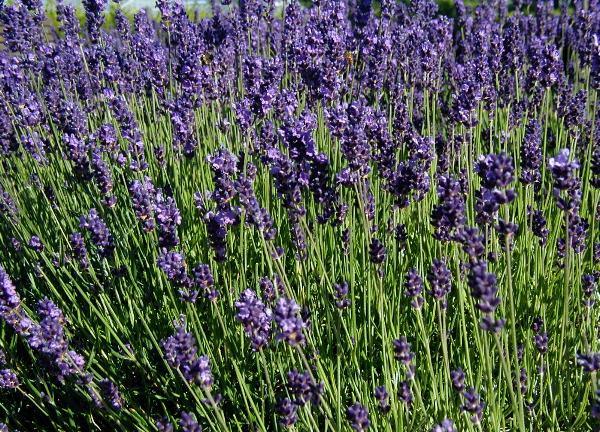 Full grown
Lavandula angustifolia in massive full purple bloom, the classic mature flowering habit
Photo: Sten Porse· CC BY-SA 3.0
Growing stages
What to look for, and what to do, at each point in its lifeEnglish lavender is a genuine challenge in Decatur's humid, rainy summers, which is the opposite of its native dry Mediterranean climate; with excellent drainage and careful pruning it can establish, bloom once or twice a year, and persist for a few years, but root rot and fungal disease driven by humidity and winter wet are constant risks rather than occasional problems.
- 1
Planting into a well-drained site
Spring, after last frost (late March into April), so roots establish before summer humidity peaksYou'll see A small, bushy transplant with narrow silvery-green leaves, 6 to 12 inches tall, in a nursery pot.
Do Plant on a raised mound or in a raised bed amended heavily with coarse sand, pea gravel, or expanded slate so water drains away from the roots immediately; never plant in a low spot or heavy clay.
- 2
Establishing
First 6 to 10 weeks after planting, through early summerYou'll see New white roots are developing below ground while top growth stays modest; a few new gray-green leaf tips may appear at stem ends.
Do Water deeply but infrequently, letting the soil surface dry out between waterings, and keep mulch away from direct contact with the stems.
- 3
Spring growth and woody structure
Second spring onward, March through AprilYou'll see The plant leafs out into a rounded mound of narrow gray-green leaves on stems that are turning brown and woody toward the base, with green, flexible new growth toward the tips.
Do Do a light shaping prune in early spring if needed, cutting only into the green growth, never into the brown woody base, to encourage a dense, rounded shape before bloom.
- 4
First bloom flush
Late May into JuneYou'll see Slender flower spikes rise 6 to 12 inches above the foliage, tipped with small purple (or blue-violet, depending on variety) buds that open into fragrant flowers, attracting bees heavily.
Do Harvest stems for drying or fresh use by cutting when about half the buds on a spike have opened, cutting with several inches of stem.
- 5
Post-bloom shearing
Right after the first bloom flush finishes, typically JuneYou'll see Spent flower spikes turn brown and dry on top of the green mound, and the plant starts to look leggy or floppy if left alone.
Do Shear the whole plant back by about one third, cutting into the green leafy growth just below the spent flower stems, but never cutting down into the bare brown wood.
- 6
Possible second flush
Late summer, August into September, if conditions allowYou'll see A lighter rebloom of shorter flower spikes may appear on the now more compact plant, though it is often sparser than the first flush, especially in a hot, humid Georgia summer.
Do Harvest lightly if it reblooms, and keep monitoring for any yellowing, blackened, or mushy stems near the base, which signal fungal or rot problems from summer humidity.
- 7
Winter dormancy and wet risk
November through FebruaryYou'll see Growth slows and the mound holds its gray-green woody structure through winter since lavender is evergreen-ish and does not die back completely, though some leaf drop can occur after a hard freeze.
Do Do not prune in fall or winter; instead focus entirely on keeping the crown and roots as dry as possible through the winter's wet, cold stretches, and keep mulch pulled back from the stems.
Techniques — transplant, prune, propagate, divide, seed
Full sun
Low — let soil dry between waterings; hates wet feet.
Give airflow; well-drained or gritty soil.
LEAN soil — do NOT over-fertilize. Rich soil/excess water makes them floppy and bland.
Care
- Rosemary, thyme, oregano, sage, savory, lavender all want lean, fast-draining conditions.
- Surface-sow seed (light-dependent); easier from cuttings/transplants.
- Light trim after flowering keeps them compact.
Harvest
Snip sprigs as needed; flavor is strongest just before flowering. Rosemary, thyme used across the jam line.
Watch for
Root rot from overwatering/heavy soil is the main killer. Rosemary may need a covered porch in hard freezes.