Ornamental Allium
'Cobalt Millenium'
⚠ NOT edible — chemically treated from the ornamental trade.
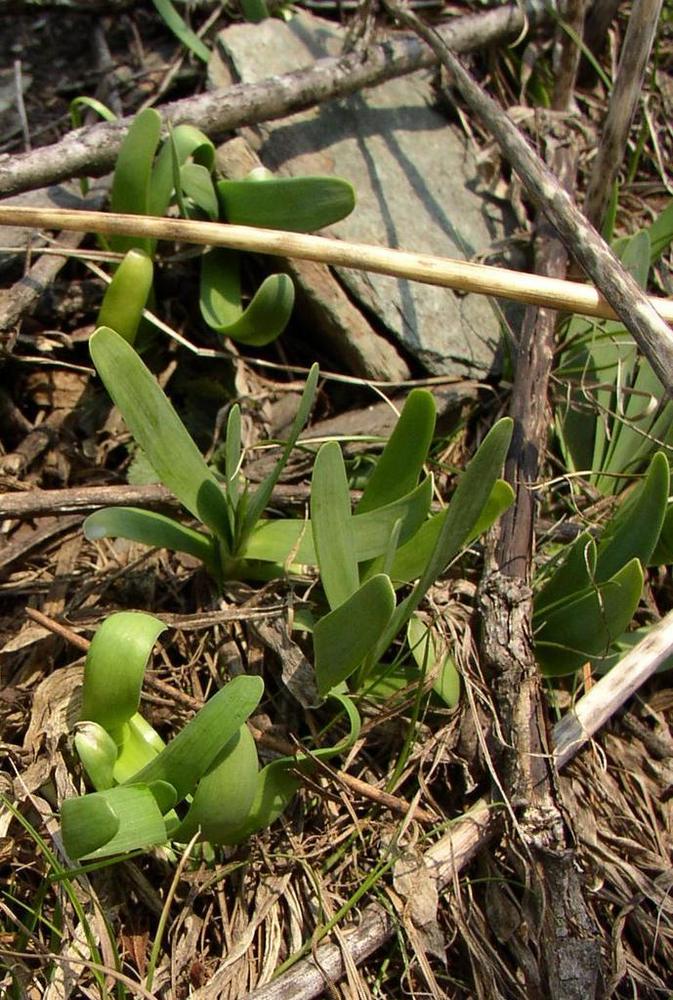 Young
YoungFresh strap-shaped ornamental allium shoots just emerging from the ground in spring, no flower stalk yet.
Allium nutans (a parent species of the 'Millenium' hybrid); no exact 'Millenium'-cultivar young-growth photo was found.
Photo: tatyana_kolesnikova· CC BY-NC
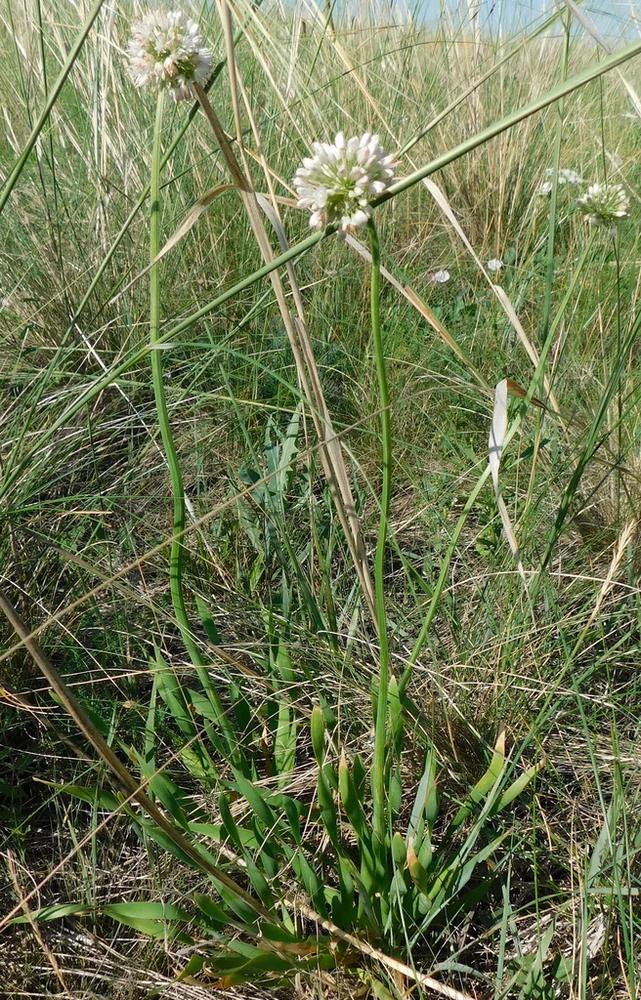 Growing
Established clump of grassy allium foliage with several tall flower stalks topped by rounded white flower heads.
Allium nutans, species-level.
Photo: Сергей Квашнин· CC BY-NC
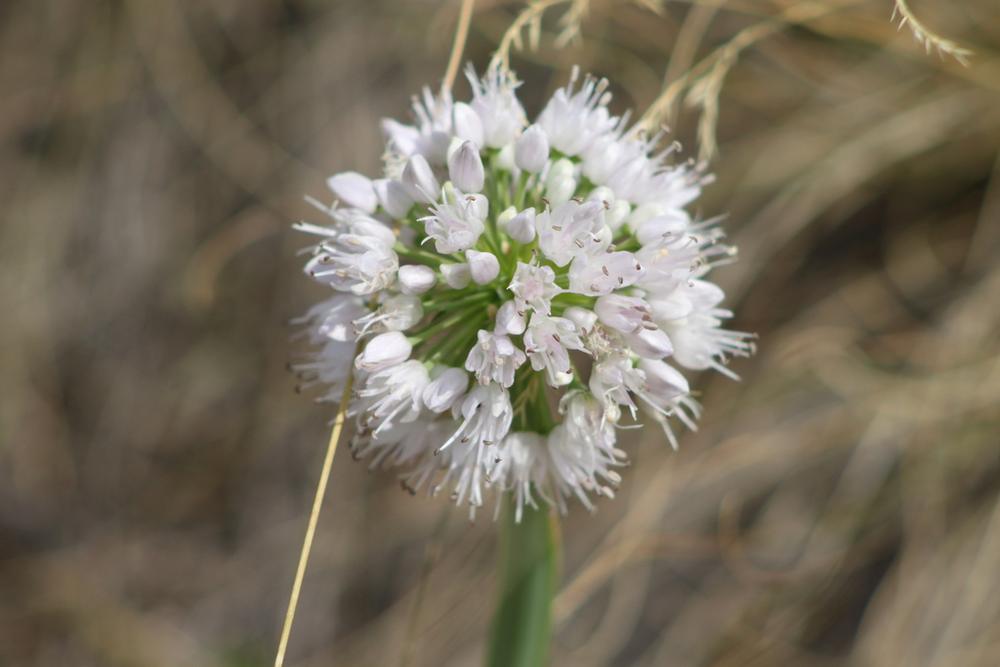 Full grown
Close-up of a full round pale lavender-white ornamental allium flower ball in bloom, star-shaped florets fully open.
Allium nutans, species-level; 'Millenium' typically blooms rosy-purple rather than white, but the overall globe form and grassy foliage habit match closely.
Photo: Maxim Shashkov· CC BY
Growing stages
What to look for, and what to do, at each point in its lifeOrnamental allium 'Cobalt Millenium' is a partly sterile hybrid onion relative that keeps its glossy strappy leaves all season (unlike bulb-type alliums that go dormant), forms a compact upright clump 1-1.5 feet tall and wide, and produces long-lasting 2 inch rosy-purple globe flowers in mid-to-late summer on 15-20 inch stems; it is NOT edible despite being an onion relative, since it comes from the chemically treated ornamental trade rather than a food-safe supplier.
- 1
Spring Foliage
March into AprilYou'll see Strappy, glossy green leaves emerge and, unlike most bulb-type alliums, persist through the growing season rather than dying back after bloom.
Do No special care needed; water during dry spells while establishing.
- 2
Clump Growth
April into JuneYou'll see A compact, upright clump of foliage thickens, staying a tidy 1-1.5 feet tall and wide.
Do Plant or maintain in full sun, well-drained soil; no fertilizer needed for this easy-going hybrid.
- 3
Bud and Bloom
Mid-to-late summer, June into AugustYou'll see Rounded, rosy-purple globes about 2 inches across open atop sturdy 15-20 inch stems, lasting up to 4 weeks per bloom.
Do Enjoy the long bloom period; deadhead spent globes if you want to limit the modest self-sowing this hybrid produces.
- 4
Seed Set
August into SeptemberYou'll see Spent globes dry to tan, papery seed heads that hold some viable seed.
Do Deadhead now if you want to prevent volunteers, or leave heads standing for dried-arrangement interest.
- 5
Fall Hold
September into NovemberYou'll see Foliage and any remaining dried seed heads persist, adding late-season texture.
Do Leave in place for winter interest, or cut for dried arrangements.
- 6
Winter Dormancy
December into FebruaryYou'll see Foliage may die back in a hard cold snap, though Decatur's mild winters often leave some green foliage standing.
Do Clear away any fully collapsed foliage; otherwise leave it alone.
- 7
Division
Every 3-4 years, spring or fallYou'll see The clump has grown crowded or bloom has started to decline.
Do Lift and divide the bulb-on-rhizome clump, replanting vigorous sections.
Techniques — transplant, prune, propagate, divide, seed
Varies by species (see notes)
Varies — match to species (moisture-lovers vs. dry).
Right plant, right place.
Most ornamentals/wildflowers want LEAN soil — do not over-fertilize.
Care
- Divide most clumping perennials in fall (Sept–Oct).
- See the plant's own note for species-specific timing and cautions.
Harvest
Grown for bloom/pollinators, not harvest.
Watch for
Some spread aggressively (e.g. Liriope spicata via stolons) — mind placement.