Yellow Yarrow New · Sep 2026
Achillea (yellow hybrid; likely 'Moonshine' or 'Coronation Gold')· Yellow yarrow, Moonshine yarrow, Coronation Gold yarrow
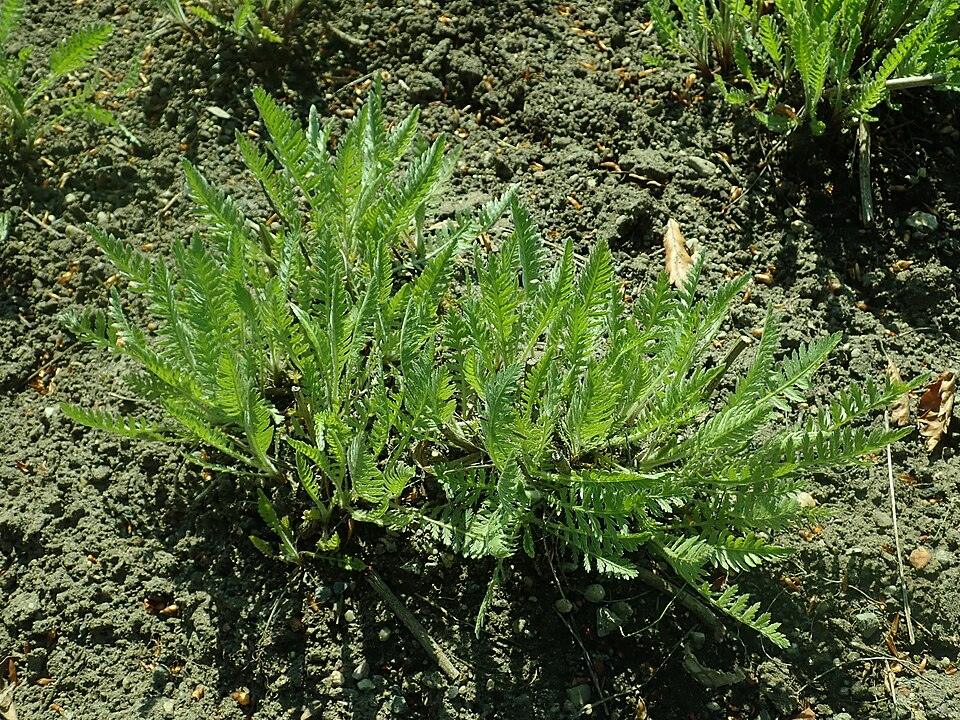 Young
YoungSpring basal foliage of Achillea 'Coronation Gold' in mid-April: a low rosette of finely cut, ferny gray-green leaves before any flower stems have risen.
Species-level photo (not this exact cultivar).
Photo: Salicyna· CC BY-SA 4.0
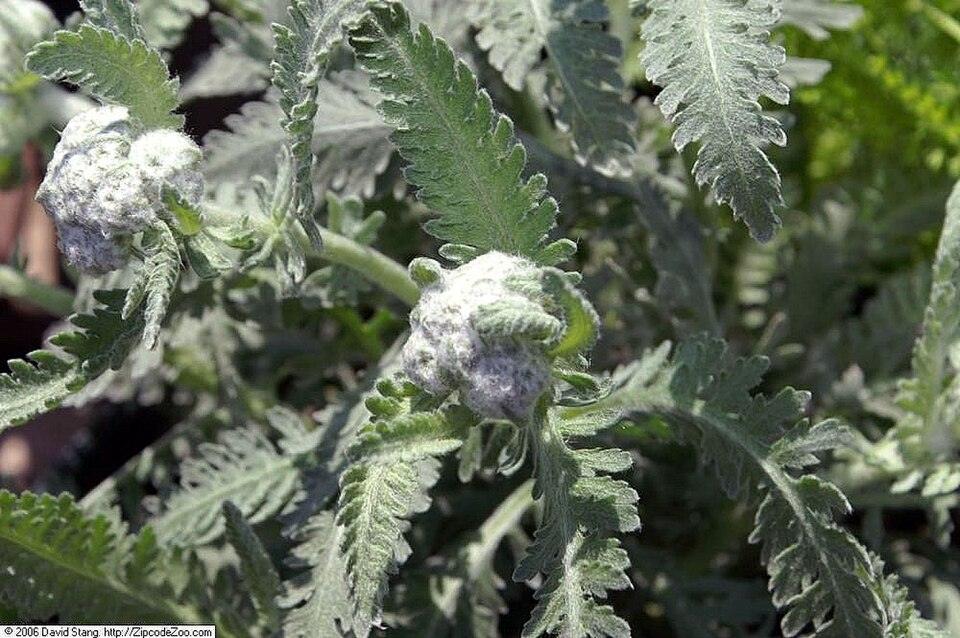 Growing
Achillea 'Moonshine' in bud: silvery, felted, deeply cut foliage with woolly gray-green flower buds just forming at the stem tips, a few weeks before bloom.
Species-level photo (not this exact cultivar).
Photo: Photo by David J. Stang· CC BY-SA 4.0
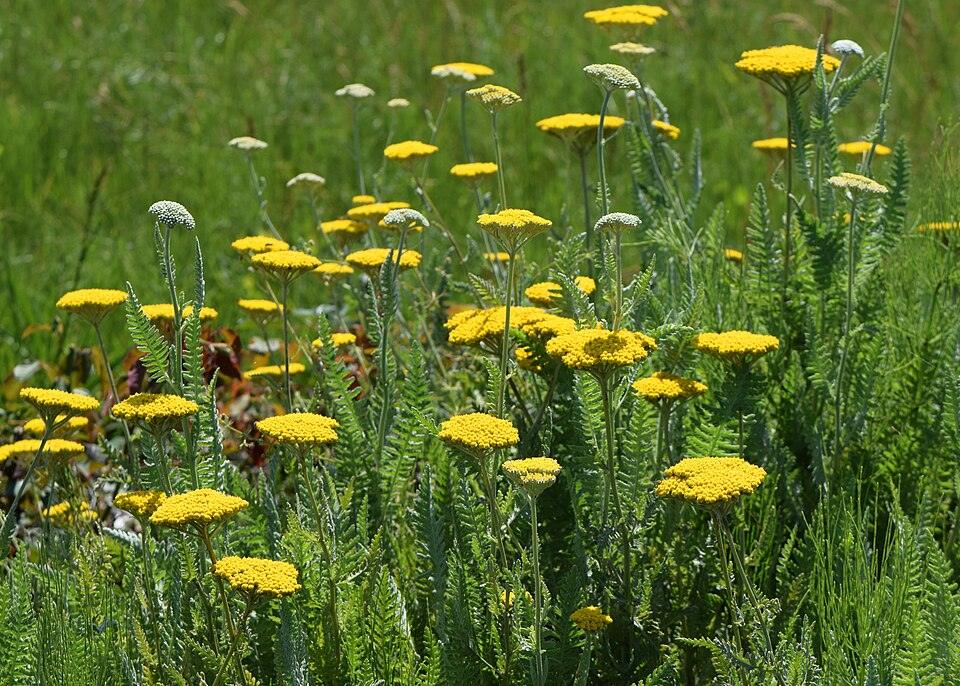 Full grown
Achillea 'Coronation Gold' in full summer bloom: flat mustard-gold flower plates held on stiff 2-3 ft stems above ferny foliage, the classic yellow yarrow look.
Species-level photo (not this exact cultivar).
Photo: Krzysztof Ziarnek, Kenraiz· CC BY-SA 4.0
Zone 8a Decatur: plant container plants in early fall (September-October, best) or spring (March-April).
Growing stages
What to look for, and what to do, at each point in its lifeYellow yarrow is a lean-soil, full-sun perennial (likely the hybrid 'Moonshine' or 'Coronation Gold') that holds a semi-evergreen ferny rosette through winter, blooms in flat yellow corymbs from late May through July with a lighter September rebloom after shearing, and needs regular division every 3-4 years plus sharp drainage since it is a sterile hybrid that cannot be grown true from seed.
- 1
Winter Semi-Evergreen Rosette
December through FebruaryYou'll see A low rosette of finely dissected, aromatic, ferny foliage persists through the mild Decatur winter.
Do Remove any mushy or fully dead leaves and old flower stems in late February; otherwise leave it alone.
- 2
Spring Growth
March through MayYou'll see Ferny foliage flushes out and flower stems begin rising from the rosette.
Do Water weekly for the first month if newly planted, then taper off. Do not fertilize - nitrogen produces floppy stems and fewer flowers.
- 3
Main Bloom
Late May into JulyYou'll see Flat-topped, plate-like corymbs of tiny yellow florets top stiff stems - pale lemon on 'Moonshine', deeper mustard-gold and larger on 'Coronation Gold'.
Do Deadhead spent heads back to the next side bud to extend the bloom. Stake taller 'Coronation Gold' before summer storms if it gets any shade or richer soil.
- 4
Midsummer Shear-Back
July, after the main flushYou'll see Bloom production slows and stems look spent following the main flush.
Do Shear flower stems down to the basal foliage to tidy the clump and set up a September rebloom.
- 5
Possible Summer Melt-Out
August, in humid weatherYou'll see Foliage can collapse or blacken in the hottest, most humid stretch of summer, more common with 'Moonshine' than 'Coronation Gold'.
Do If foliage melts out, cut it to the ground, keep the area on the dry side, and it usually resprouts in fall.
- 6
Fall Rebloom
SeptemberYou'll see A lighter flush of flat yellow heads appears on the regrowth from the midsummer shearing.
Do Enjoy the rebloom; no special care needed beyond normal drought-only watering.
- 7
Division
Every 3-4 years, early spring or early fallYou'll see The clump's center dies out, bloom declines, or the planting has simply outgrown its space.
Do Dig and divide, replanting the vigorous outer sections and discarding the dead center.
Techniques — transplant, prune, propagate, divide, seed
At a glance
- Botanical name
- Achillea (yellow hybrid; likely 'Moonshine' or 'Coronation Gold')
- Family
Asteraceae (aster family)
- Type
Herbaceous perennial with a semi-evergreen basal rosette in Zone 8a
- Native range
Garden hybrids of Old World species: A. clypeolata (Balkans), A. filipendulina (Caucasus, Iran and Central Asia) and A.
- Hardiness
Zones 3-8 for 'Moonshine' and 'Coronation Gold'; 3-9 for fernleaf yarrow
- Height
'Moonshine' 1-2 ft; 'Coronation Gold' 2-3 ft; fernleaf yarrow types ('Cloth of Gold', 'Parker's Variety', 'Gold Plate')…
Full sun (6 or more hours). Flops and mildews in part shade.
Dry to medium; drought tolerant once established. Overwatering and wet feet are the main…
12-18 in for 'Moonshine'; 18-24 in for 'Coronation Gold' and fernleaf types
Lean, well-drained sandy or gravelly loam, pH 6-8. Avoid heavy wet clay and rich, moist,…
Care
- Site in the hottest, driest, best-drained full-sun spot; do not fertilize (nitrogen makes floppy stems) and do not overwater.
- Water weekly for the first month, then only in extended drought.
- Deadhead spent heads back to the next side bud to extend bloom; after the main June-July flush, shear flower stems down to the basal foliage to tidy the clump and encourage a September rebloom.
Good to know
The tag just says Yellow Yarrow, which in Georgia garden centers almost always means 'Moonshine' or 'Coronation Gold', and occasionally a seed-grown fernleaf yarrow such as 'Cloth of Gold' or 'Parker's Variety'.
Where it fits
Pairs with other dry-soil sun lovers: Salvia greggii 'Furman's Red', coneflower, Russian sage, lavender, catmint, purple lovegrass, little bluestem, nodding onion and sedums.
Harvest
Ornamental, but cut stems for the vase when the heads are fully open and firm.
Watch for
Powdery mildew, botrytis, rust and stem or crown rot in humid, wet or crowded conditions; flopping in shade or rich soil;
Wildlife & pollinators
The flat heads are landing pads for bees, small butterflies, hover flies, lady beetles and other beneficial insects;
Toxicity
Yarrow (Achillea) is listed by the ASPCA as toxic to dogs, cats and horses (achillein, monoterpenes and sesquiterpene lactones): vomiting, diarrhea,…
Propagation
Division in spring or fall (best); basal stem cuttings in spring. The named hybrids do not come true from seed and are essentially sterile.
General Native / Pollinator Perennial guide
- Fall (Sept–Nov) is the best perennial planting window in Georgia: warm soil grows roots, cool air limits stress, winter rain does the watering.
- Plant at the same depth as the pot; in heavy clay set the crown 1" high and mound soil to it rather than digging a bathtub that holds water.
- Mulch 2" with pine straw or shredded bark, kept an inch off the crown.
- Water deeply 2× a week for the first month even if it rains lightly; the root ball dries faster than the bed around it.
- Leave stems and seed heads standing over winter for birds and overwintering insects; cut back late Feb–early March.
- Divide crowded clumps every 3–4 years in fall or early spring.
- Edit spreaders (rhizomes and self-sown seedlings) each spring while they're small — most natives are generous.